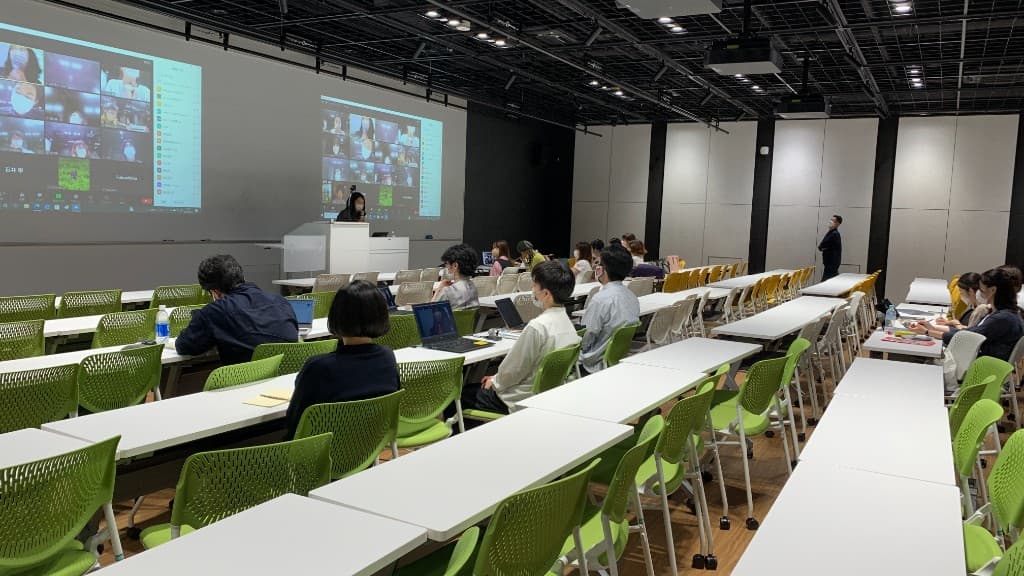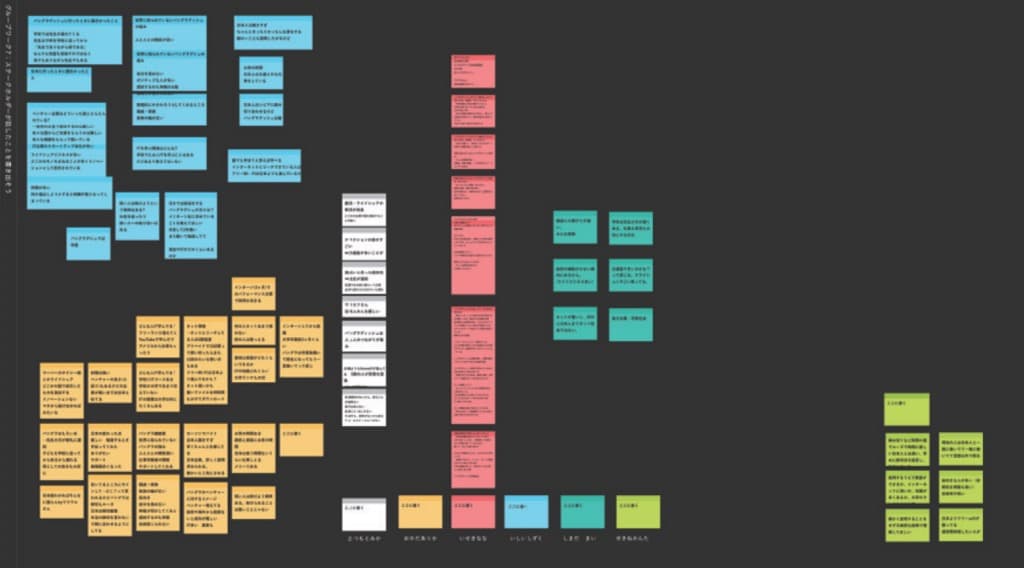
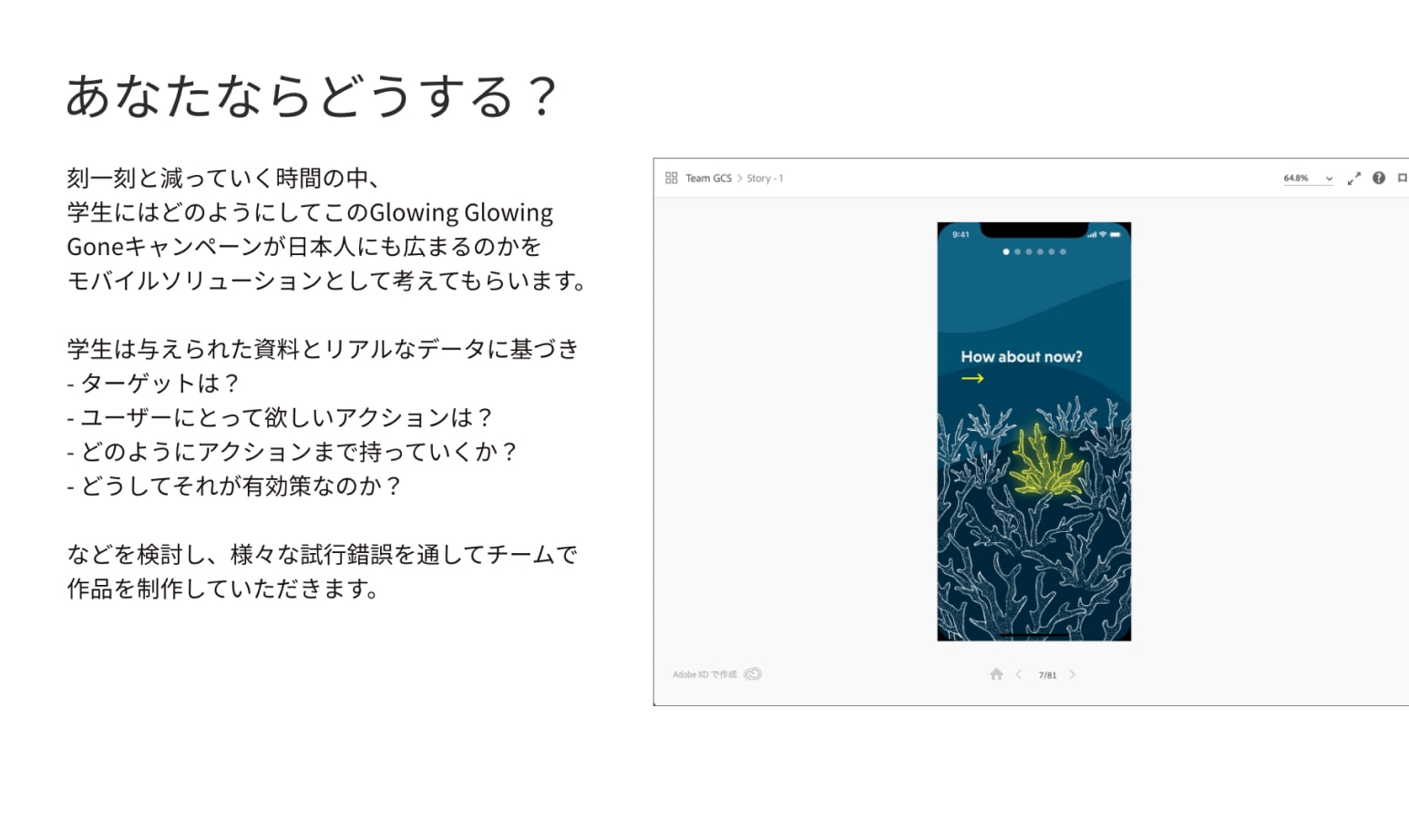
2020年7月8日、College Creative Jam開幕を告げるキックオフがオンラインにて開催されました。
Read more
Adobe's EDU enterprise team in Japan had strong relationships with IT managers and school principals — good conversations about license seat counts and renewals. What nobody had was a relationship with the people actually deciding whether a purchased license got used: the professors. Licenses sat idle in classrooms while awkward renewal conversations happened without any evidence students were touching the tools at all.
I was hired to close that gap. As an Education Evangelist, Strategic Development Manager — a role that sat inside Adobe's sales org — my responsibility was to evangelize Adobe XD and overall Creative Cloud adoption in classrooms, growing the active user base. I didn't carry a personal quota, but my compensation was tied to the sales team's overall performance, because as Adobe's product evangelist, I needed to think about the business too.
With my design problem-solving skills, I closed the gap the only way I knew how: find out what someone's actually struggling with, then build the thing that fixes it.
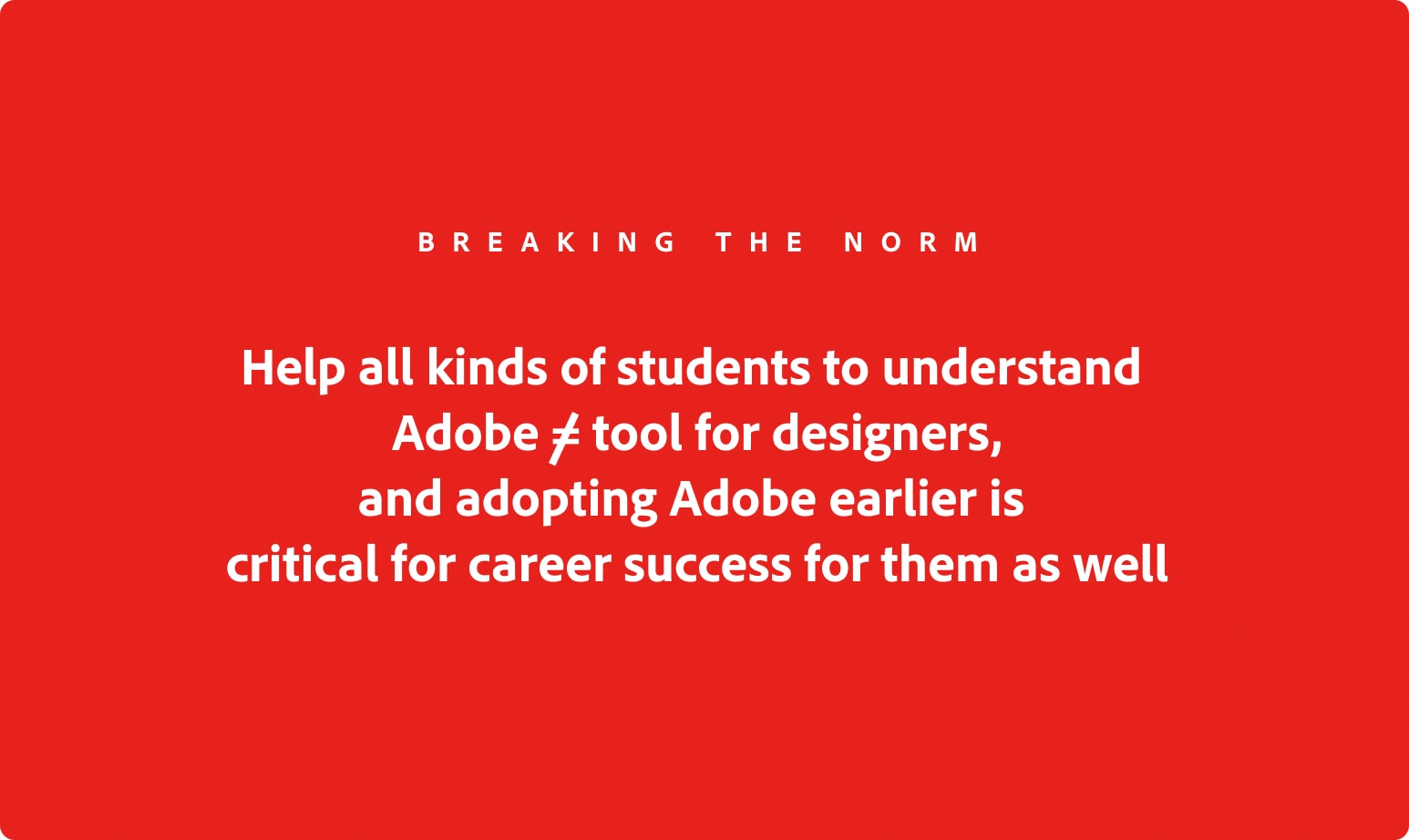
The fundamental problem was a misconception: non-design institutions believed Adobe was a tool for art students becoming professional designers — overkill for anyone else. Polytechnic schools and general education faculties looked at Creative Cloud and assumed it wasn't built for their students. That belief, not a lack of time or interest, was what kept adoption locked inside design departments.
My way in was craft, not a pitch. I used my own background in XD and UI/UX as the credibility to approach professors directly — not to sell Adobe, but to offer something concrete: co-develop a curriculum, guest-teach a workshop, run a seminar.
Adobe XD did double duty here. Its logic — user flows, prototyping, structured problem-solving — was legible to non-design students as much as design students, which let me evangelize the same tool across entirely different audiences and break the "Adobe = art students" assumption one classroom at a time.
It was also the on-ramp into full Creative Cloud: once someone was comfortable with XD, the rest of CC stopped feeling unfamiliar. The tool was never the end goal — full adoption, and a broader idea of who creativity was for, was.
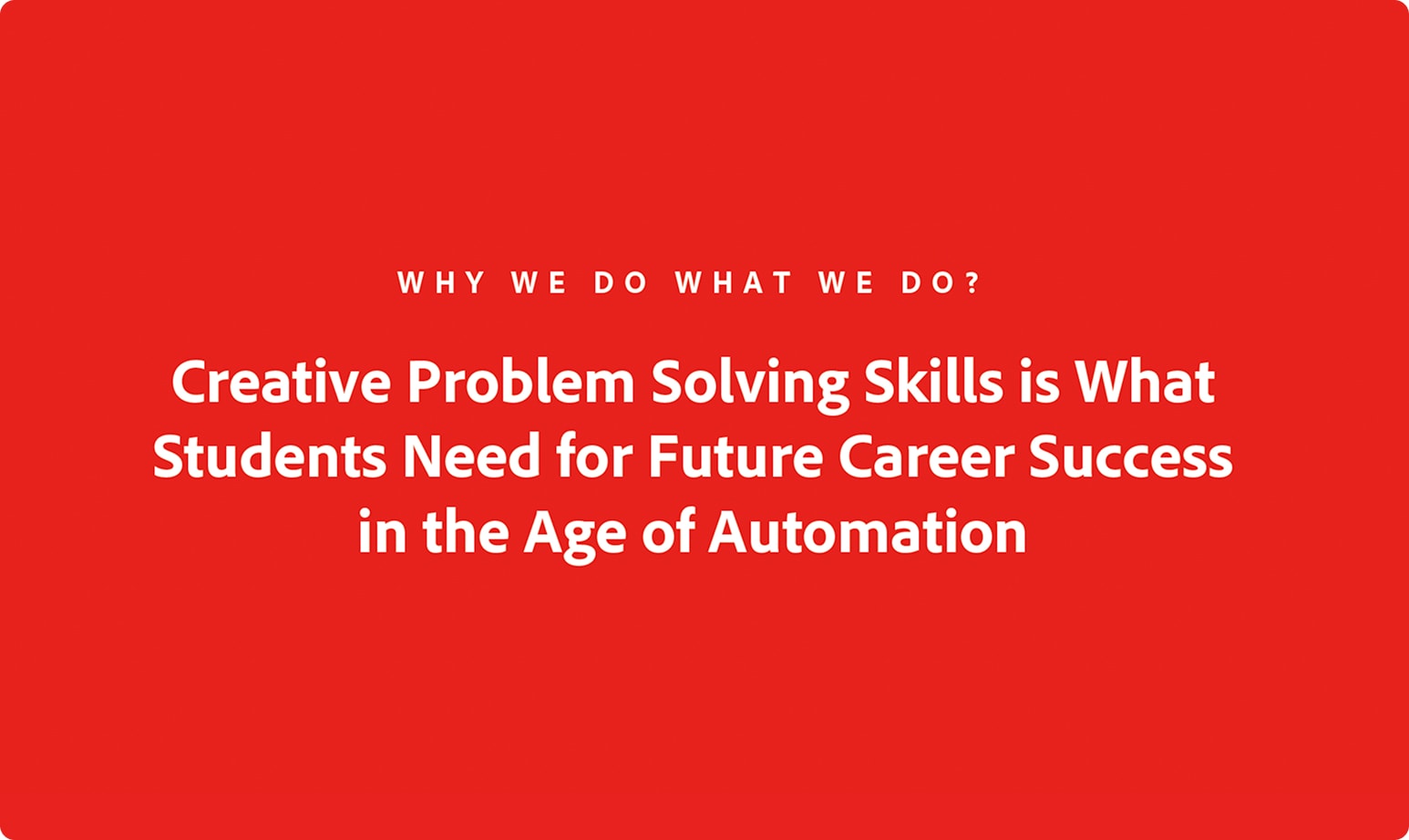
The underlying premise: creative problem-solving, not tool proficiency, is what will matter most for students' careers as automation reshapes what "employable" means.
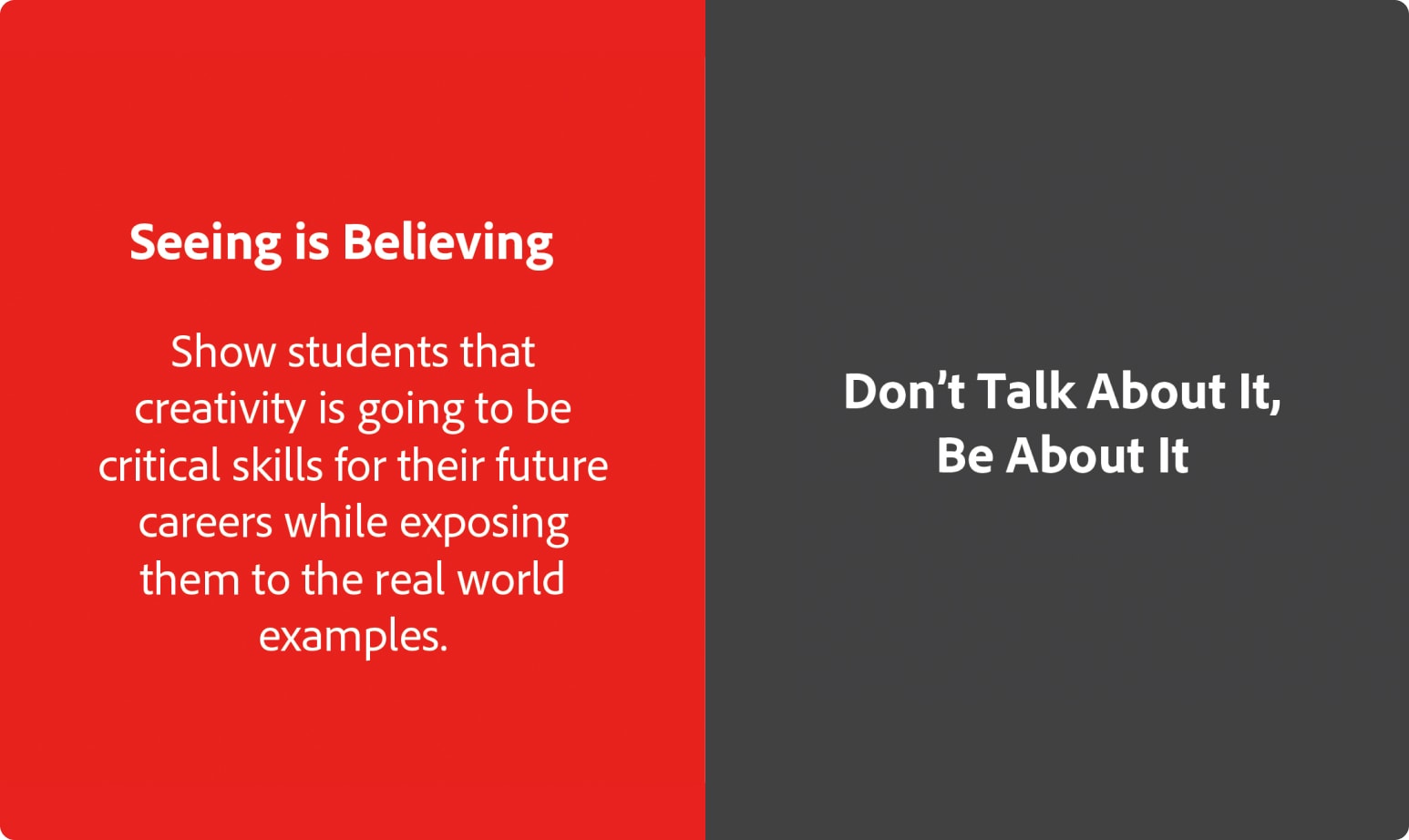
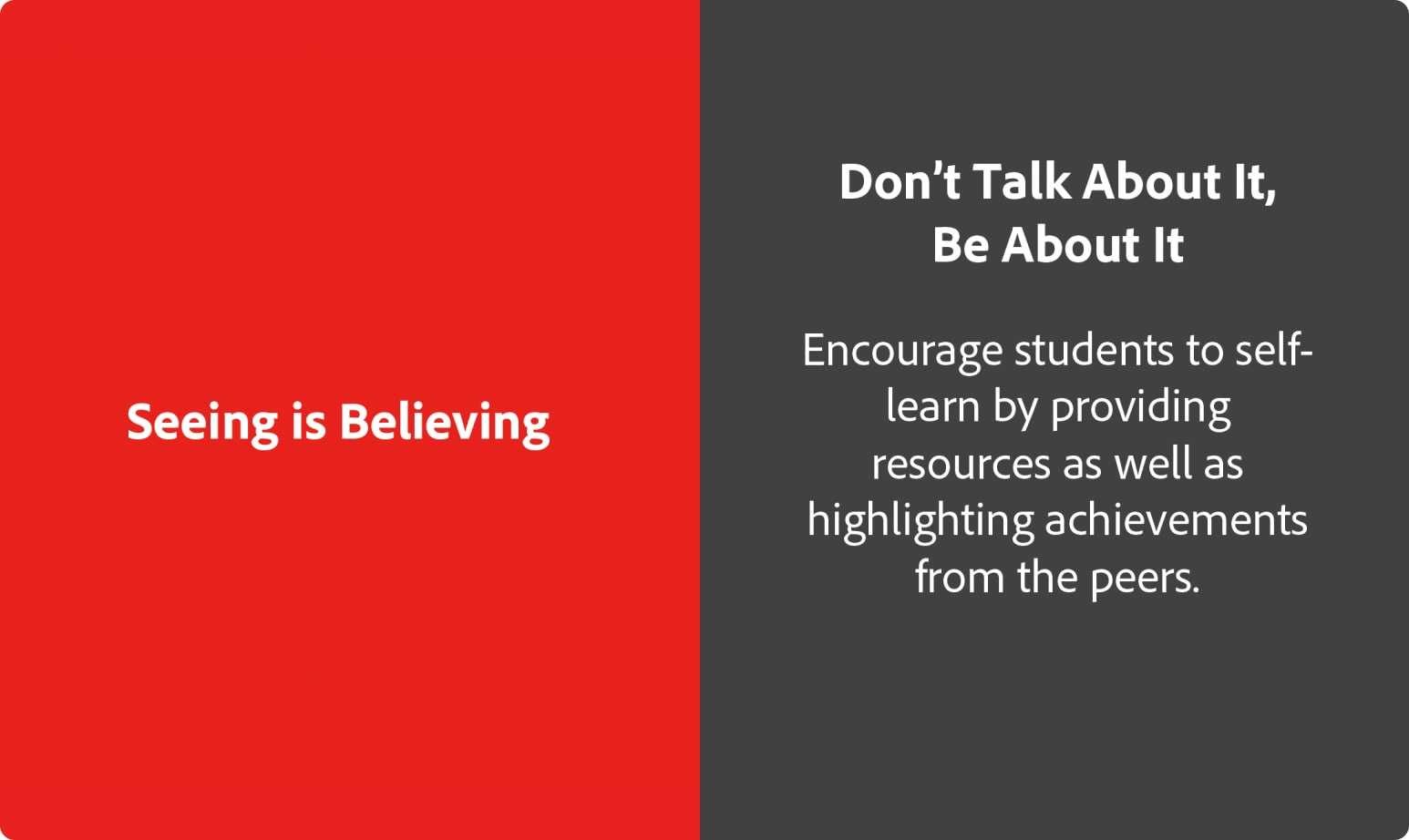
I worked that on two tracks. Exposure first — real industry examples in front of students, not abstract arguments. Enablement second — self-serve resources instead of gatekeeping through me, and student ambassadors running workshops themselves rather than centralizing every session on me. Same instinct that later shaped CCJ 2021's shift to training students as trainers: enablement scales, and I don't.
One more factor drove the volume of content I produced: Japan's shrinking student population means schools compete hard on standardized rankings (偏差値), watching each other closely for anything that sets them apart. A documented partnership with a global brand was exactly that kind of edge. So I treated PR as part of the strategy, not an afterthought — every published seminar or workshop became something a rival school's faculty would want for themselves too.
Below are a few of the projects that came out of this strategy.
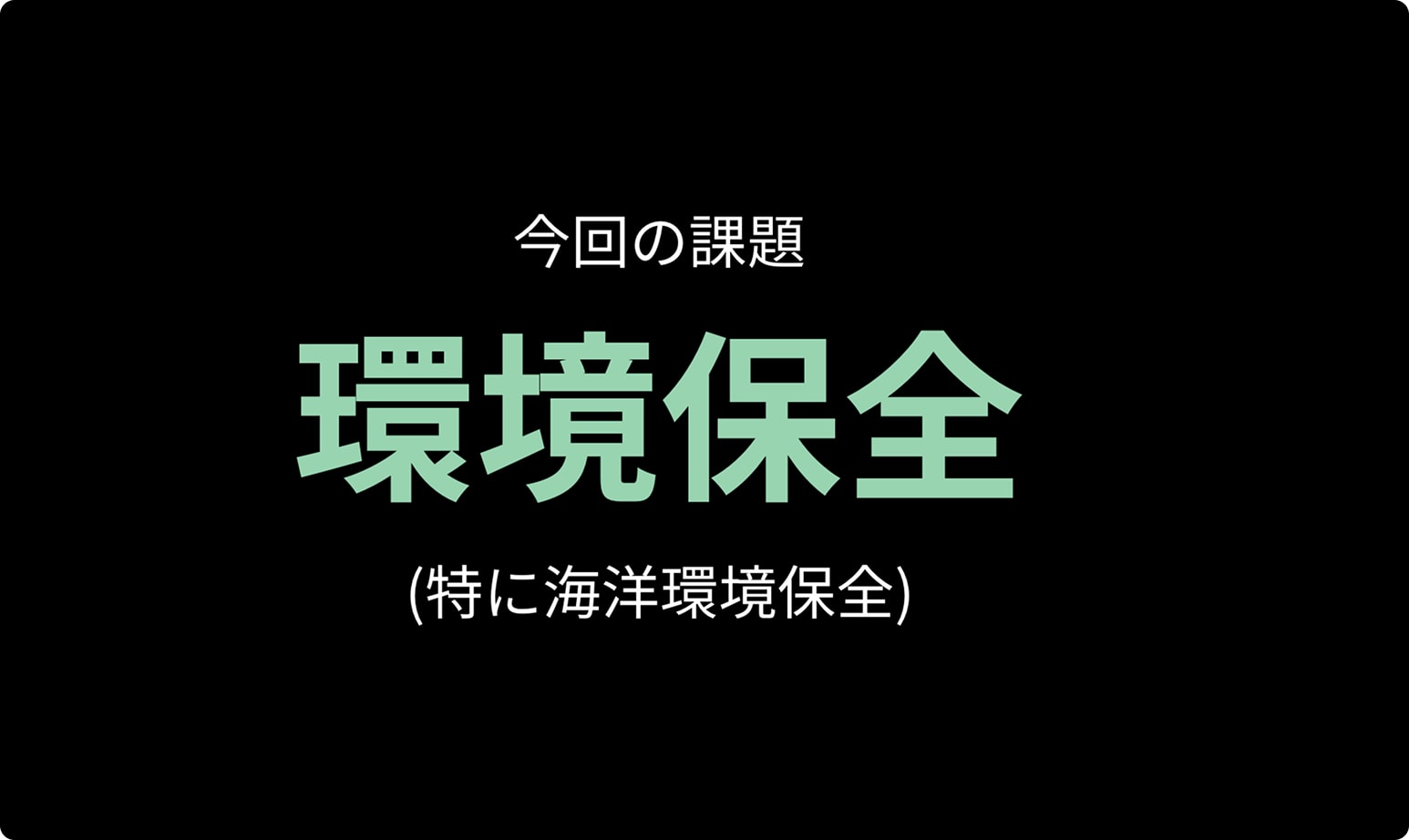
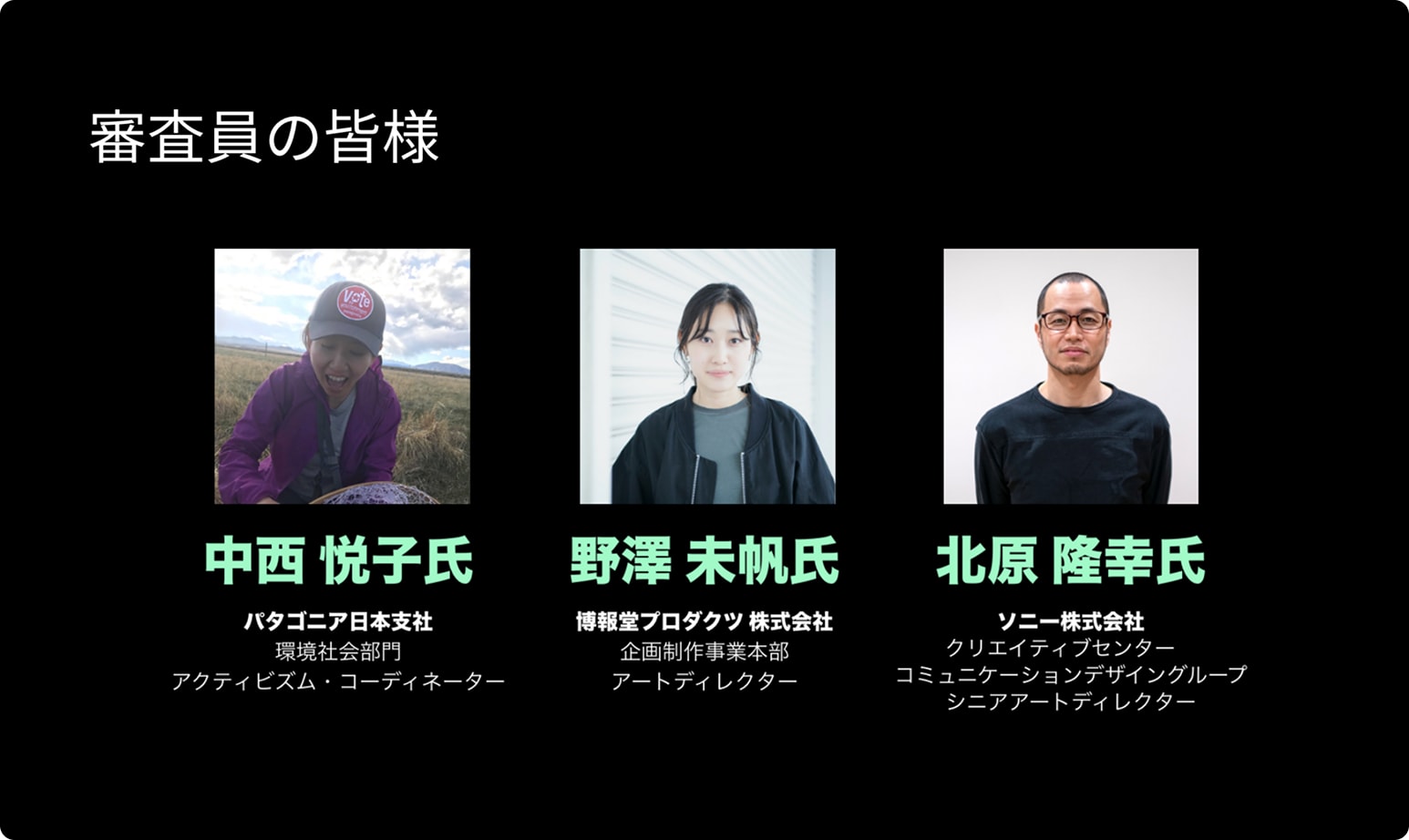
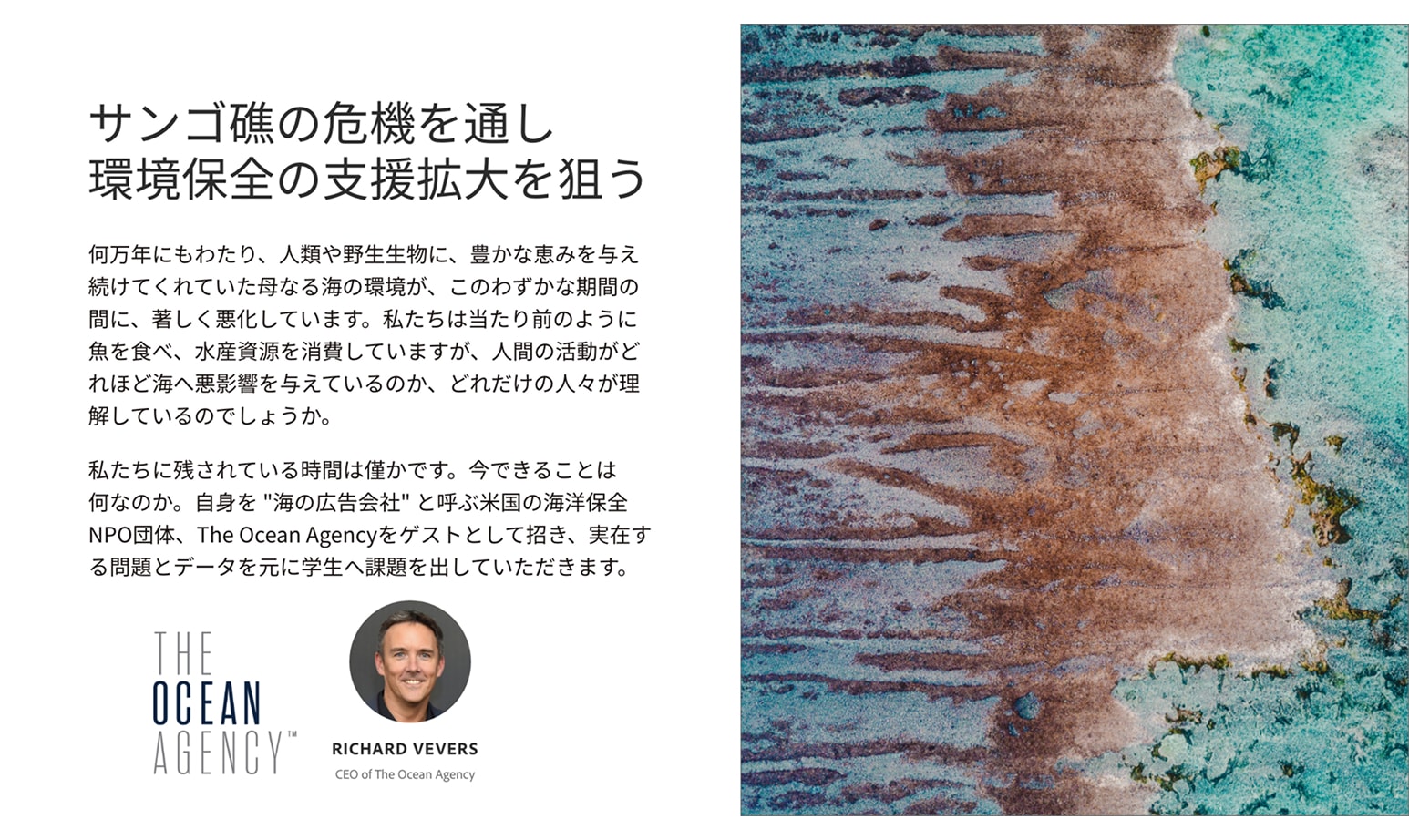
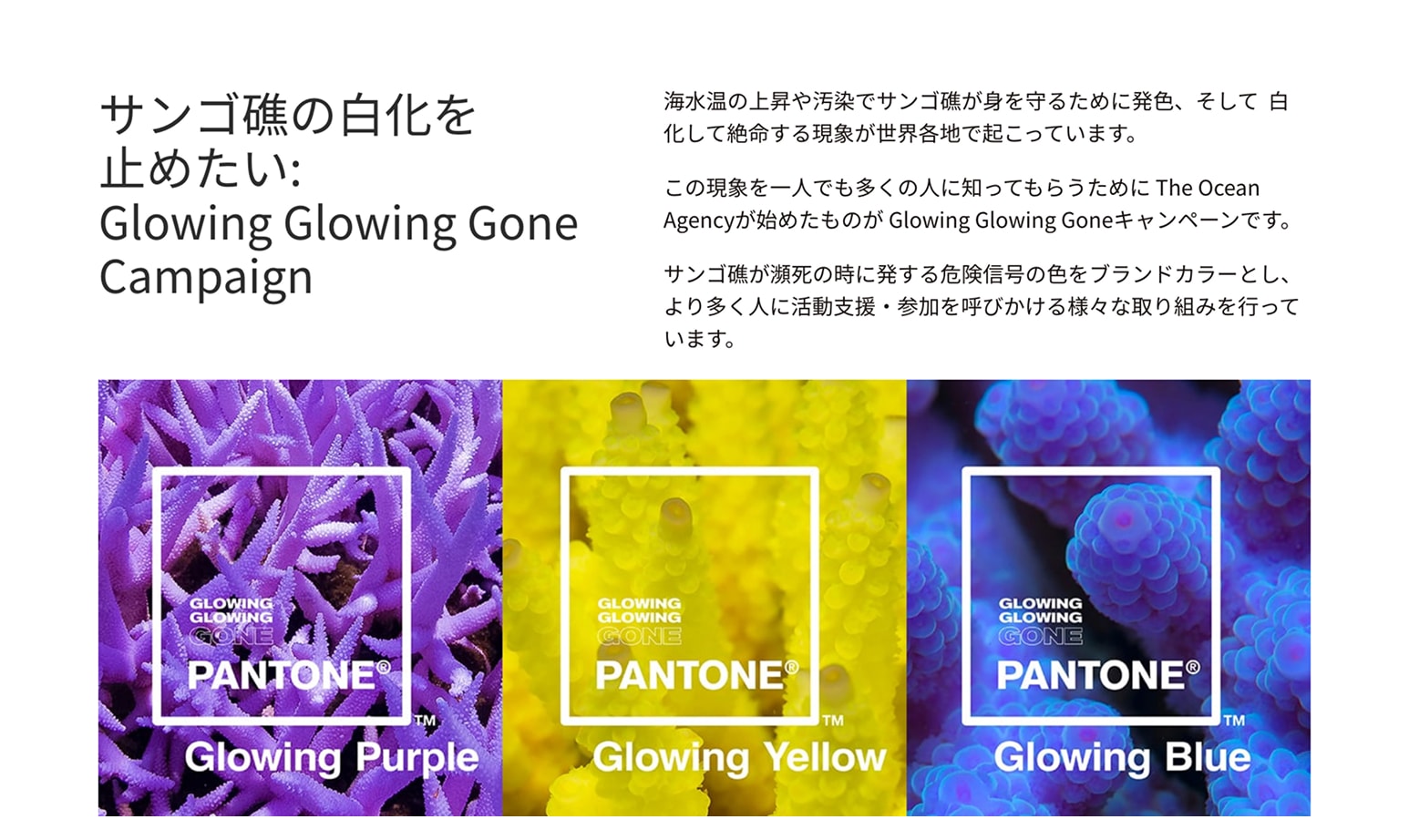
Adapted Adobe's established US College Creative Jam for Japan—a student design competition where teams tackled a real-world environmental challenge, built mobile prototypes in Adobe XD, and presented their work to industry professionals. I led the translation and localization of the entire program, and facilitated collaboration between The Ocean Agency, Adobe's US team, and Japanese students throughout the program. The event also marked the start of our relationship with Patagonia, setting up everything that came next.
Related article
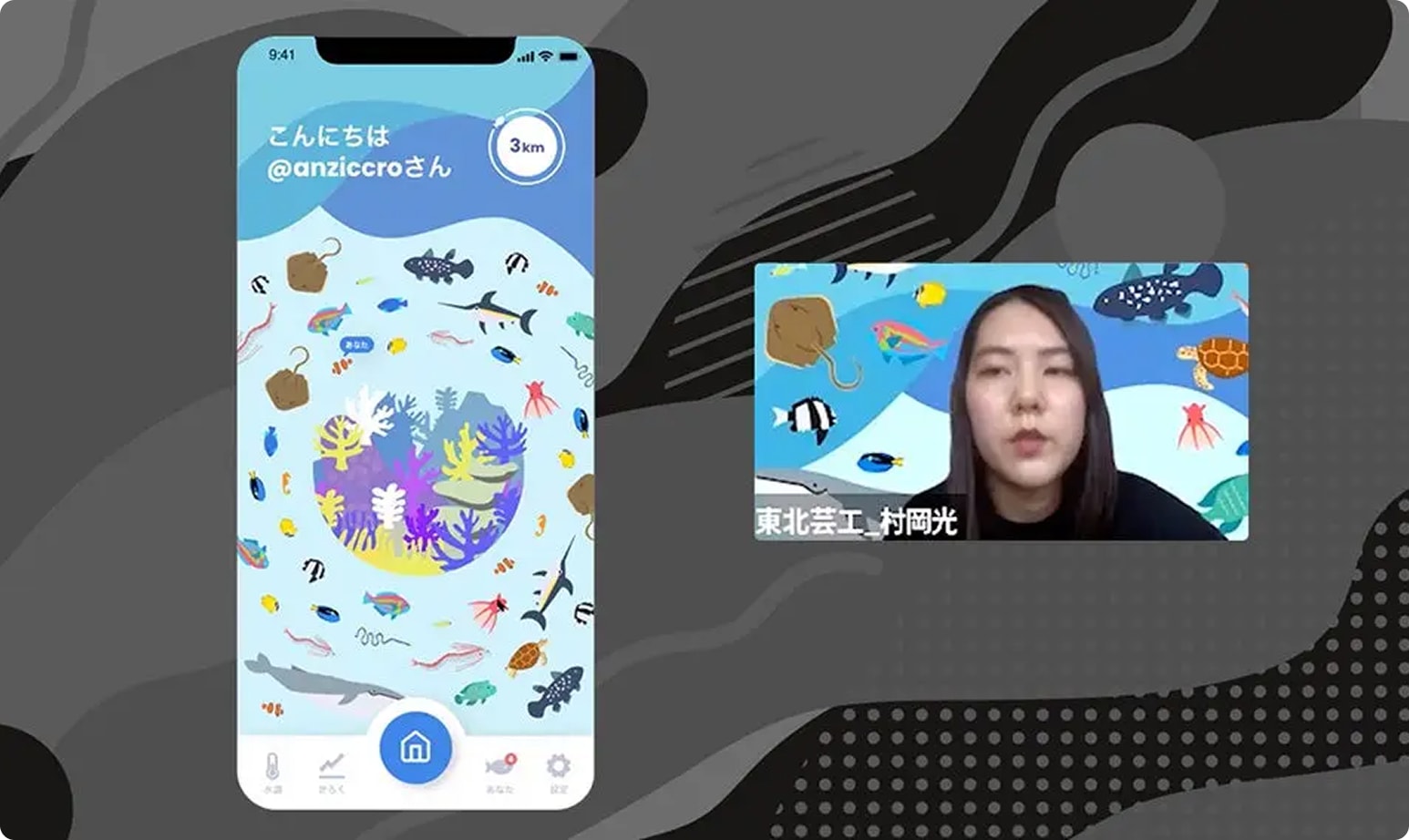
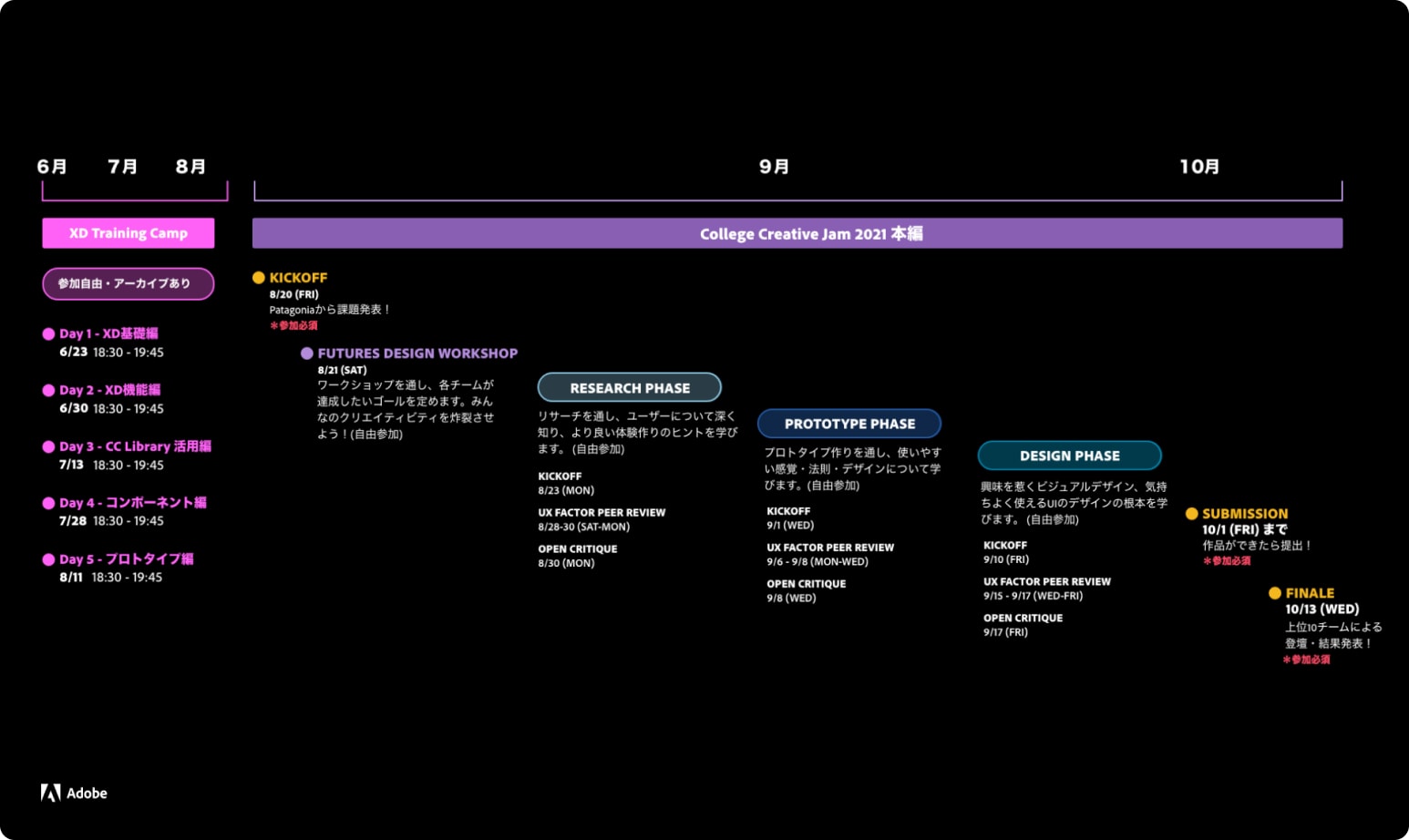
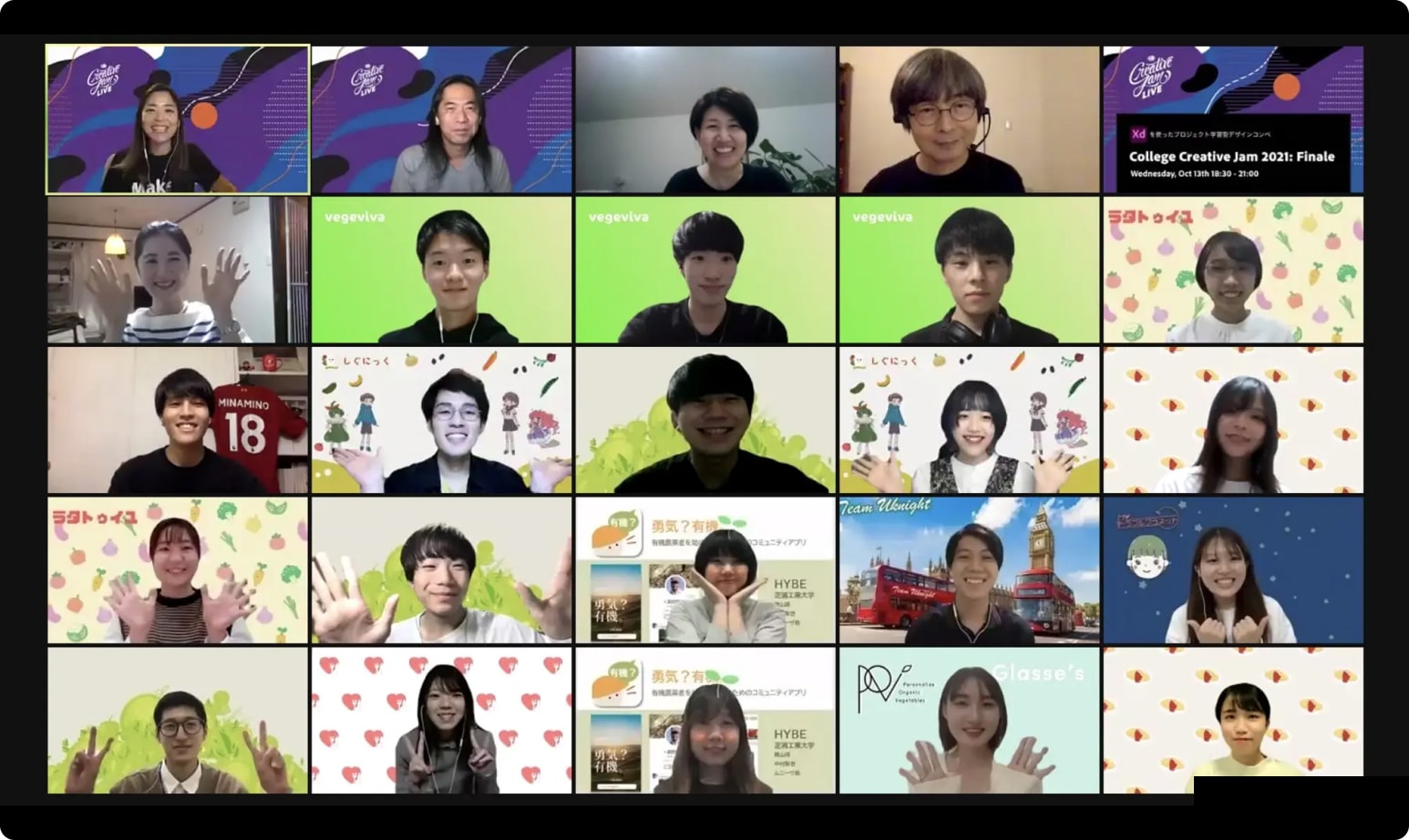
Rebuilt the event from the ground up instead of repeating the 2020 format. Patagonia returned as official brief-giver, with a challenge centered on growing regenerative-agriculture organic farming in Japan. Three decisions defined the redesign:
Related article
モバイルソリューションで社会課題解決を目指す大学生向けコンペ「College Creative Jam 2021」始動!〜合宿のように学び合う場に
Read more
【イベント】College Creative Jam 2021最終審査員・講師のご紹介
Read more
いよいよ課題発表!モバイルプロトタイプで気候変動問題に挑む〜College Creative Jam 2021 キックオフ
Read more
College Creative Jam 2021 Futures Design Workshopレポート 参加者が得たのは「課題に取り組む新しい目」
Read more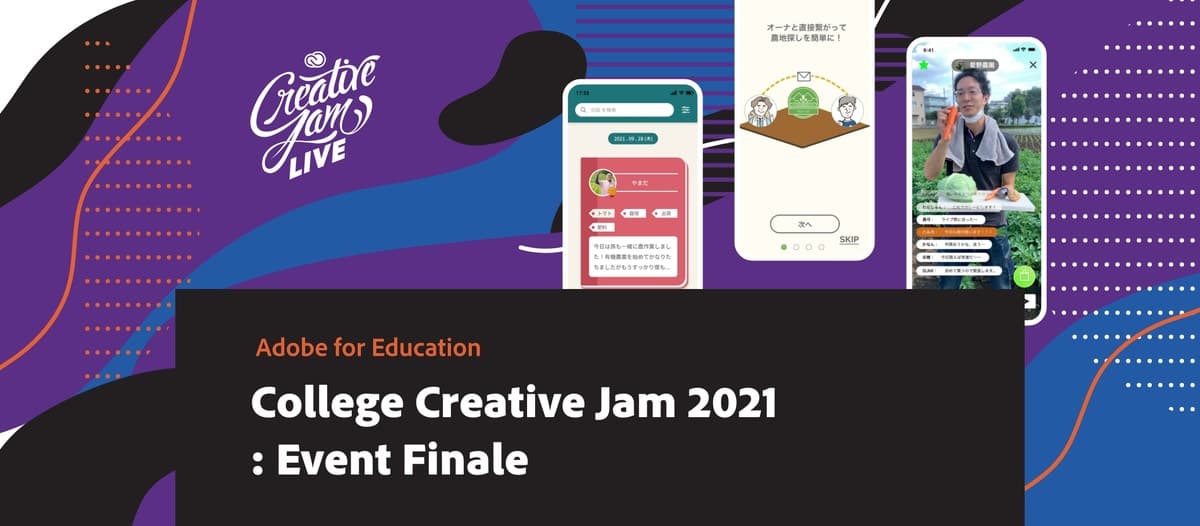
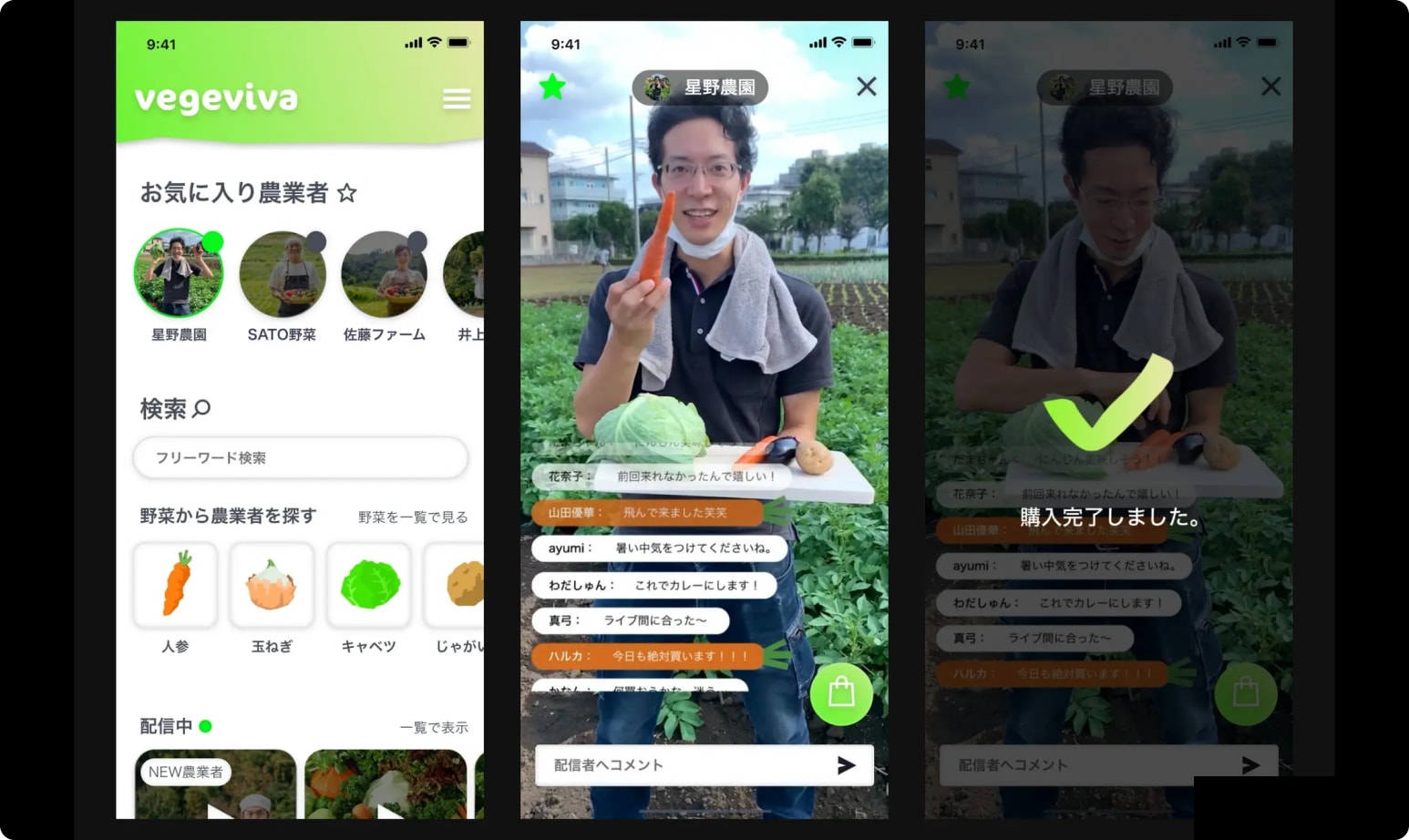
【イベント】 College Creative Jam 2021 フィナーレ!リサーチに基づいたアイデアあふれる力作が並ぶ
Read more
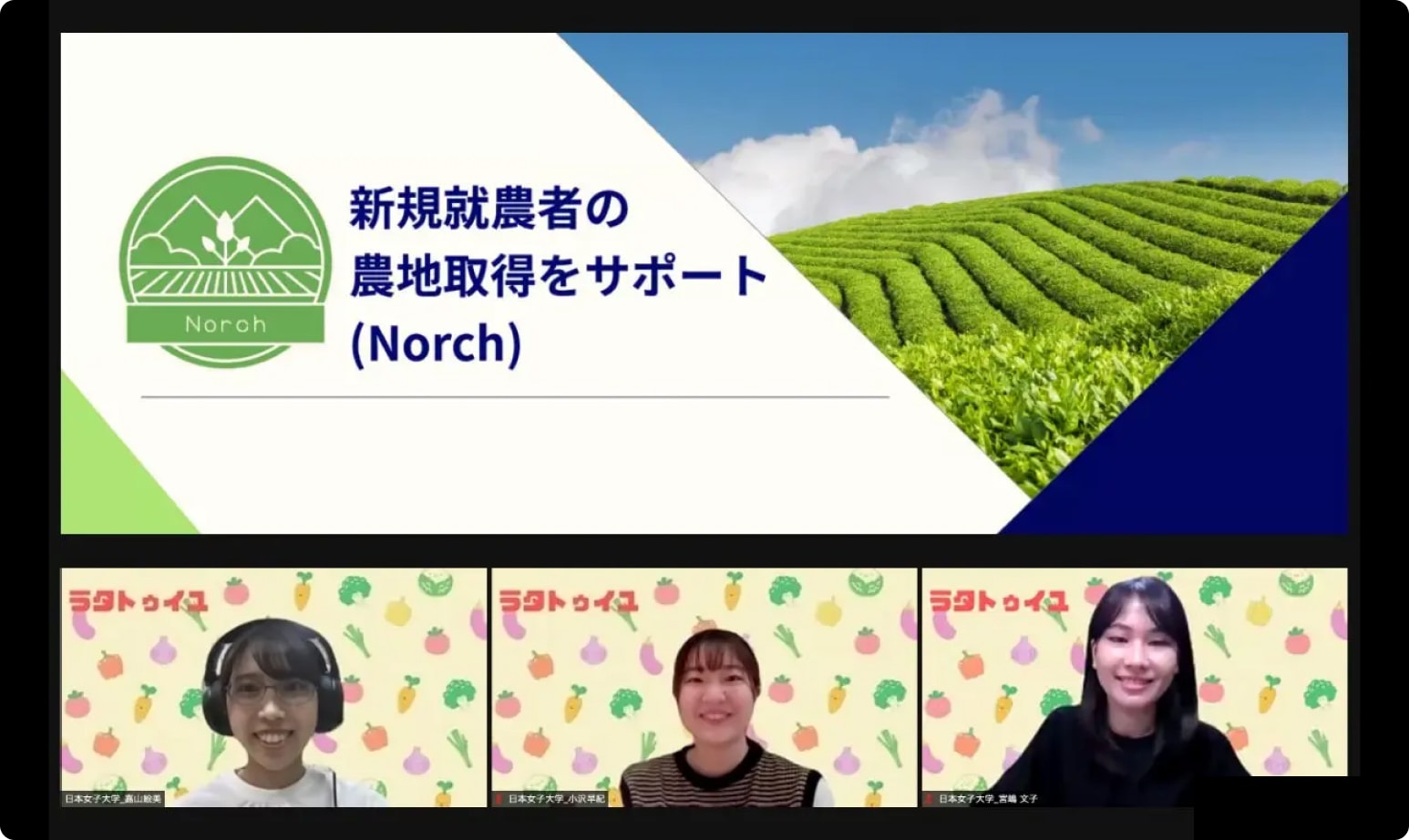
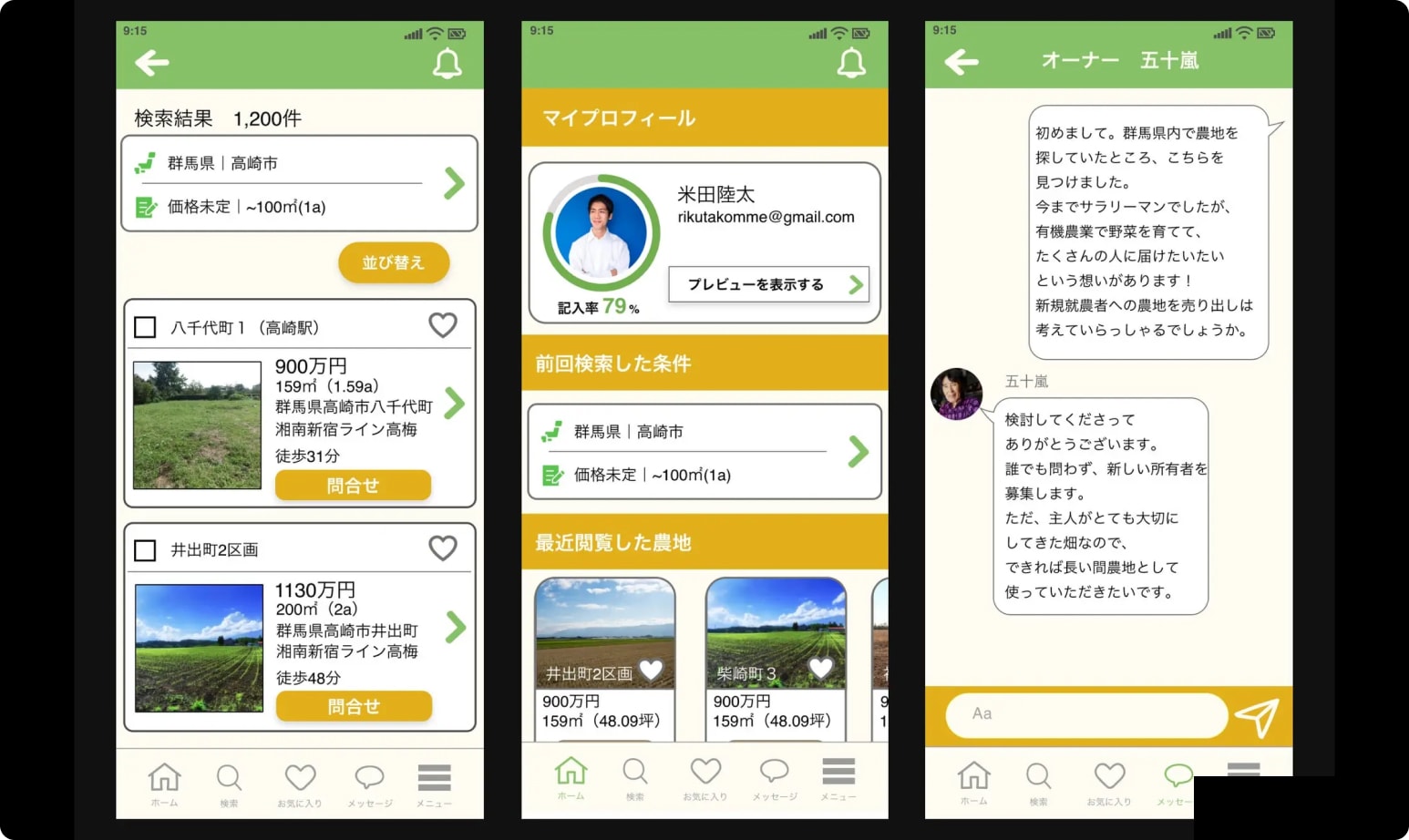
【イベント】College Creative Jam 2021チャンピオンインタビュー農家と農地取得希望者を結ぶ、アプリ「Norch」
Read more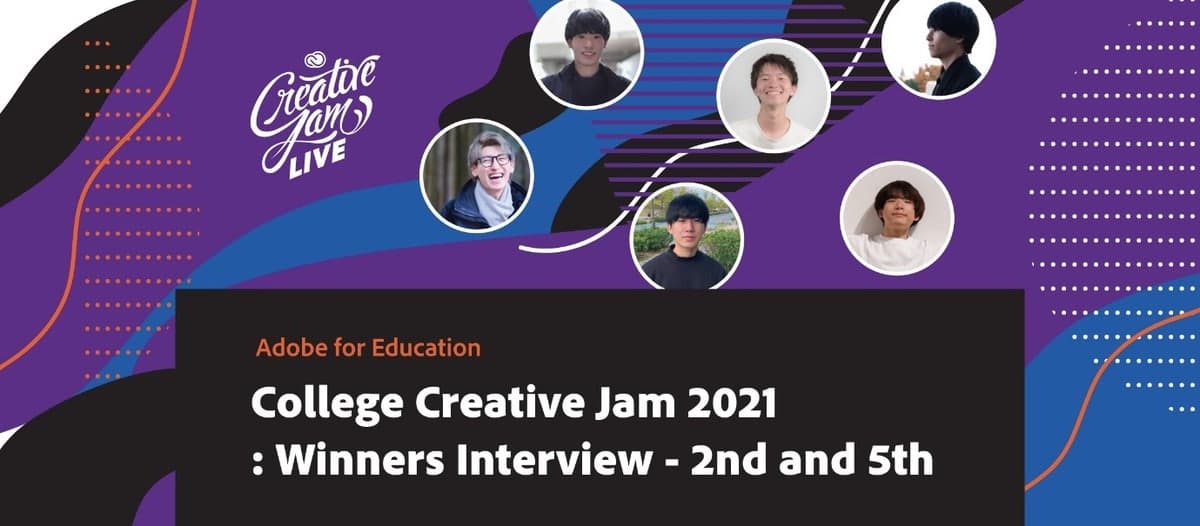
【イベント】College Creative Jam 2021 入賞者インタビュー アイデアを形にする、課題解決への取り組み方
Read more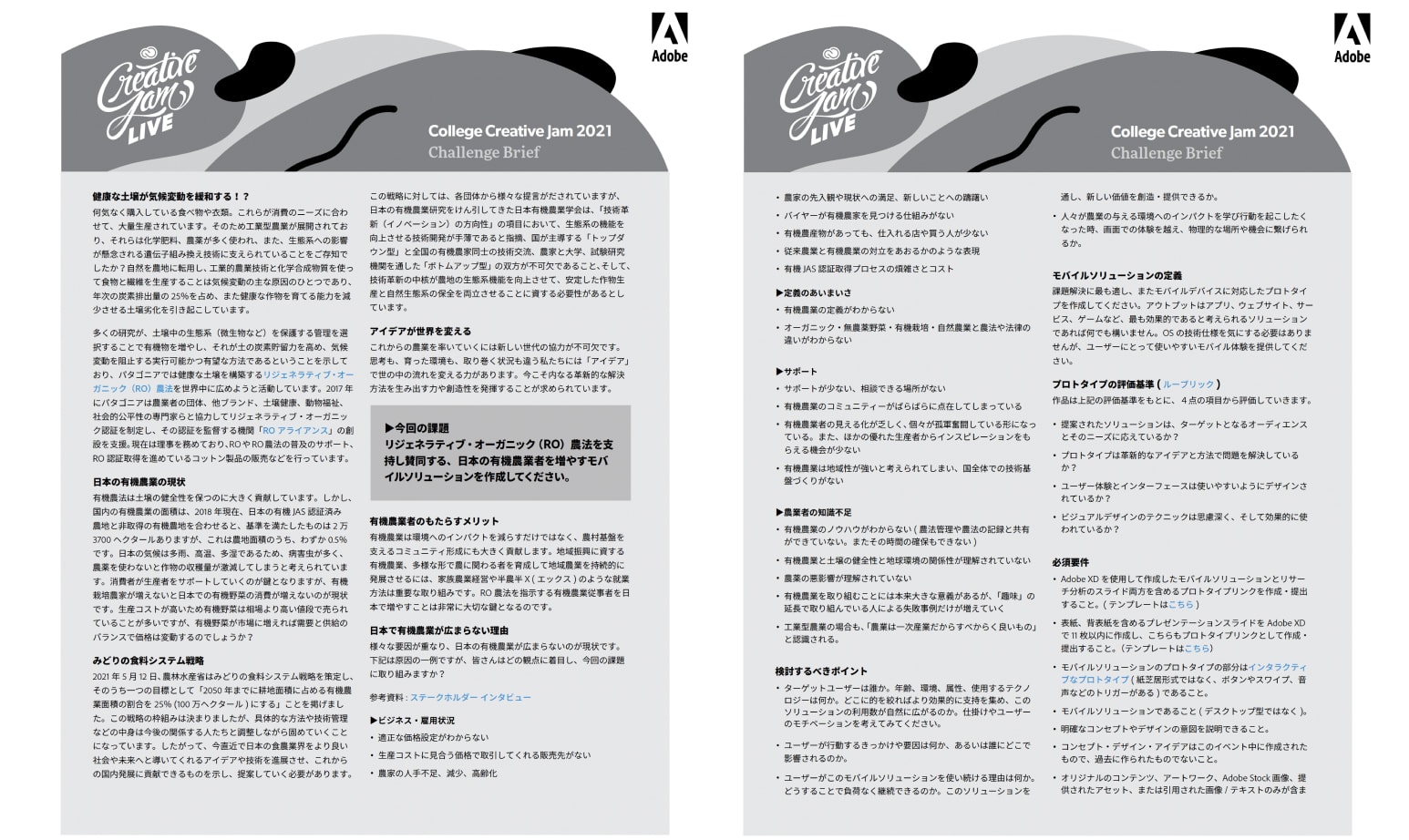
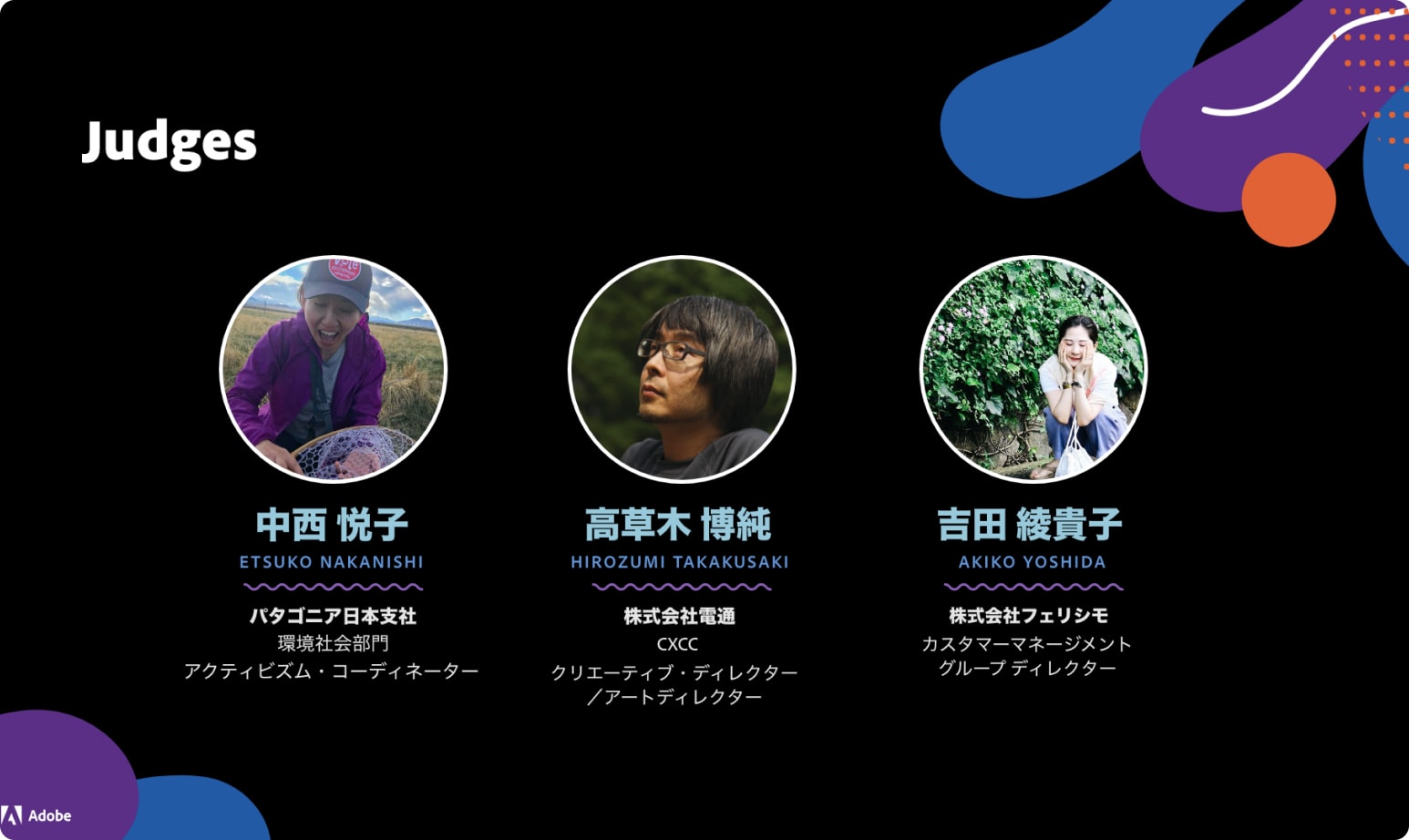
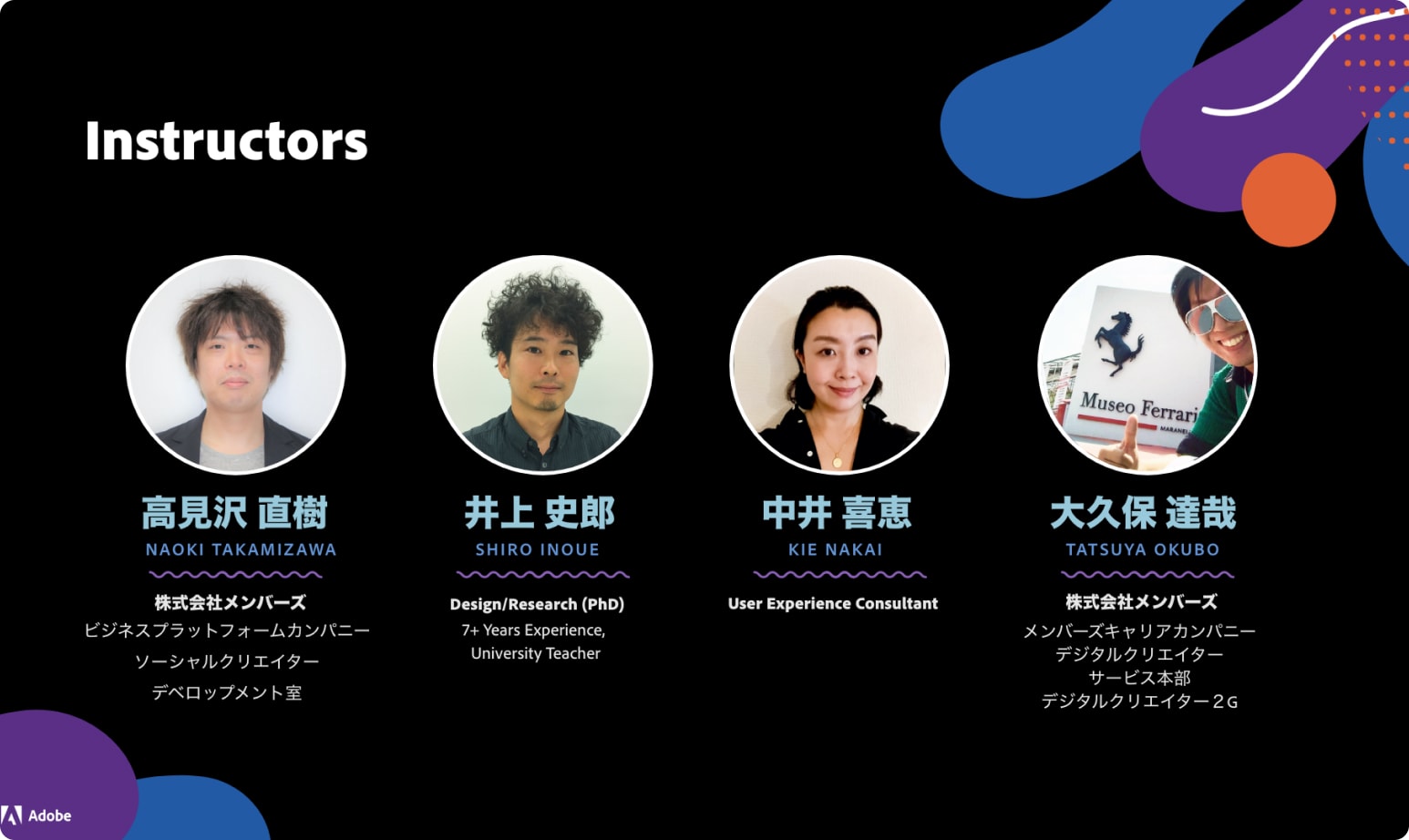
Professor Kenichiro Miyama at Senshu University's business school saw the CCJ 2021 Patagonia partnership and reached out. I'd brought in design researcher Professor Shiro Inoue as an outside industry lecturer for CCJ 2021 — so when Miyama wanted to build something new, I was the one who could connect him to the right collaborator. I facilitated that connection and program-managed the collaboration as Miyama and Inoue built "Business Design Special Lecture," the first program in Japan to bring Adobe XD into a business/humanities curriculum rather than a design department.
Miyama and Inoue built the curriculum content itself — the JETRO Dhaka relationship and the Bangladesh fieldwork design were entirely Miyama's, from his own network. What made the program possible was the introduction and the facilitation between them, plus positioning it as a first for Adobe in Japanese academia.
Course: ran spring 2022, about 30 junior and senior year business majors, working in Adobe XD across the full thinking process — ideation, wireframing a business plan, and building the final presentation deck inside the tool itself, so the reasoning trail stayed visible.
Related article
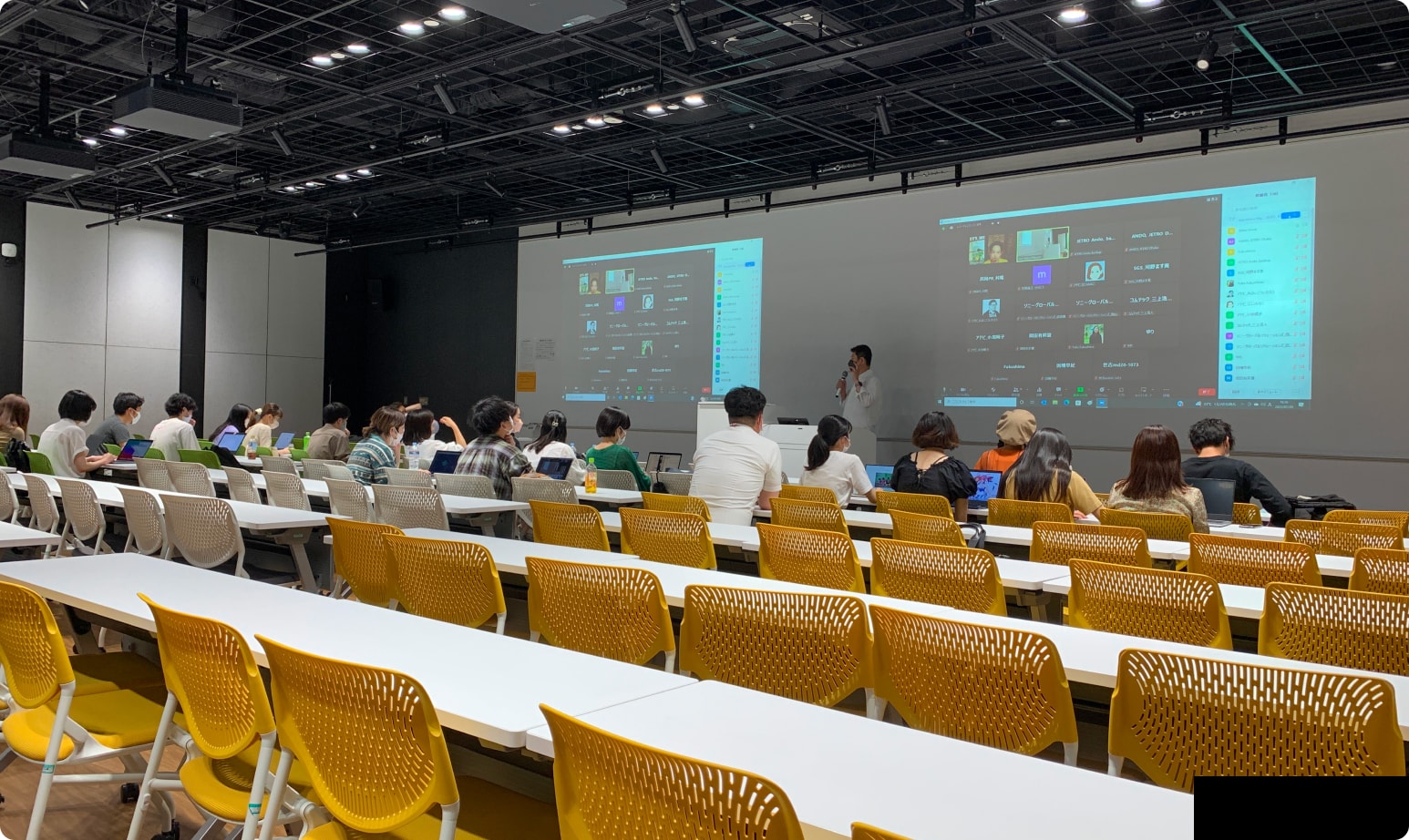
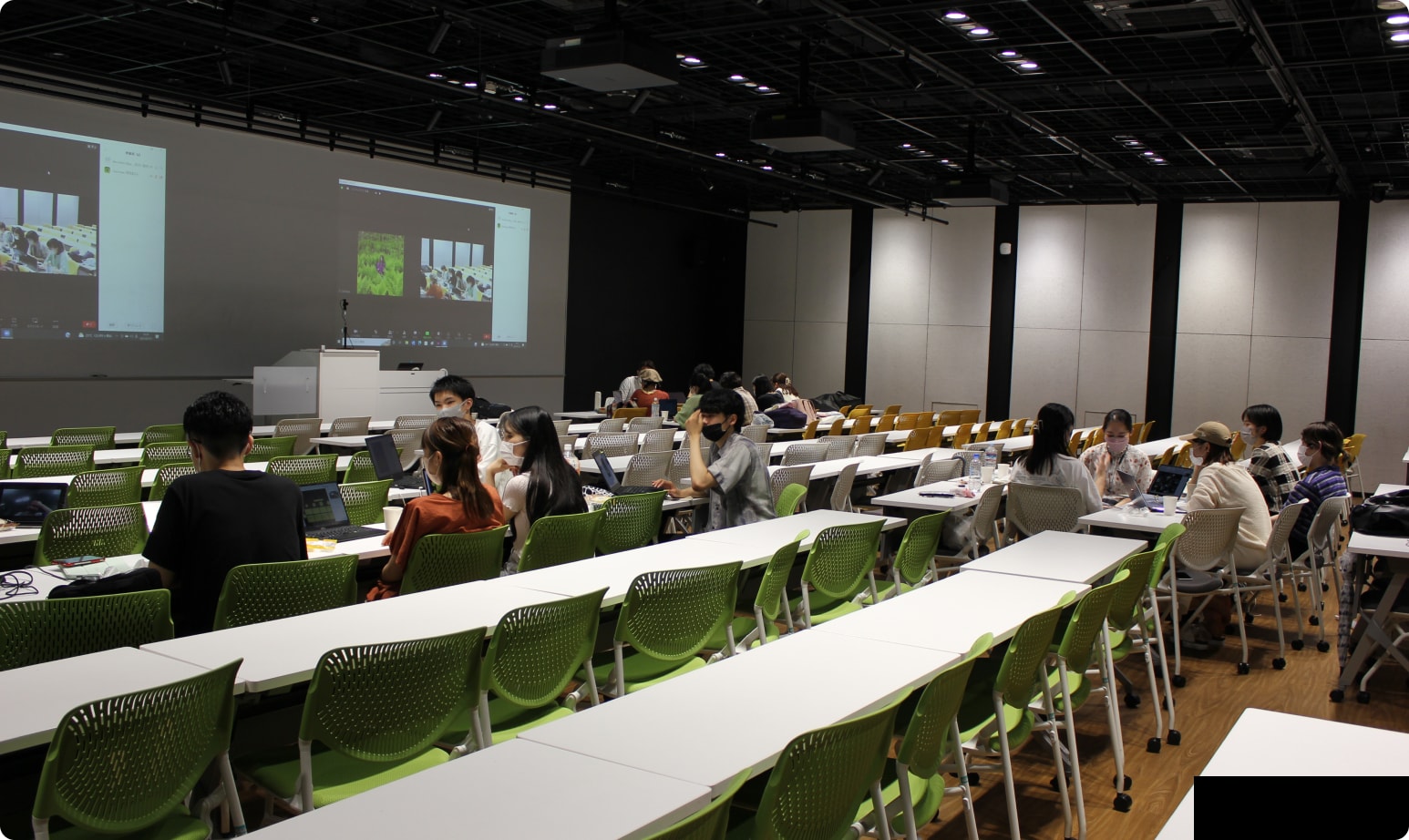
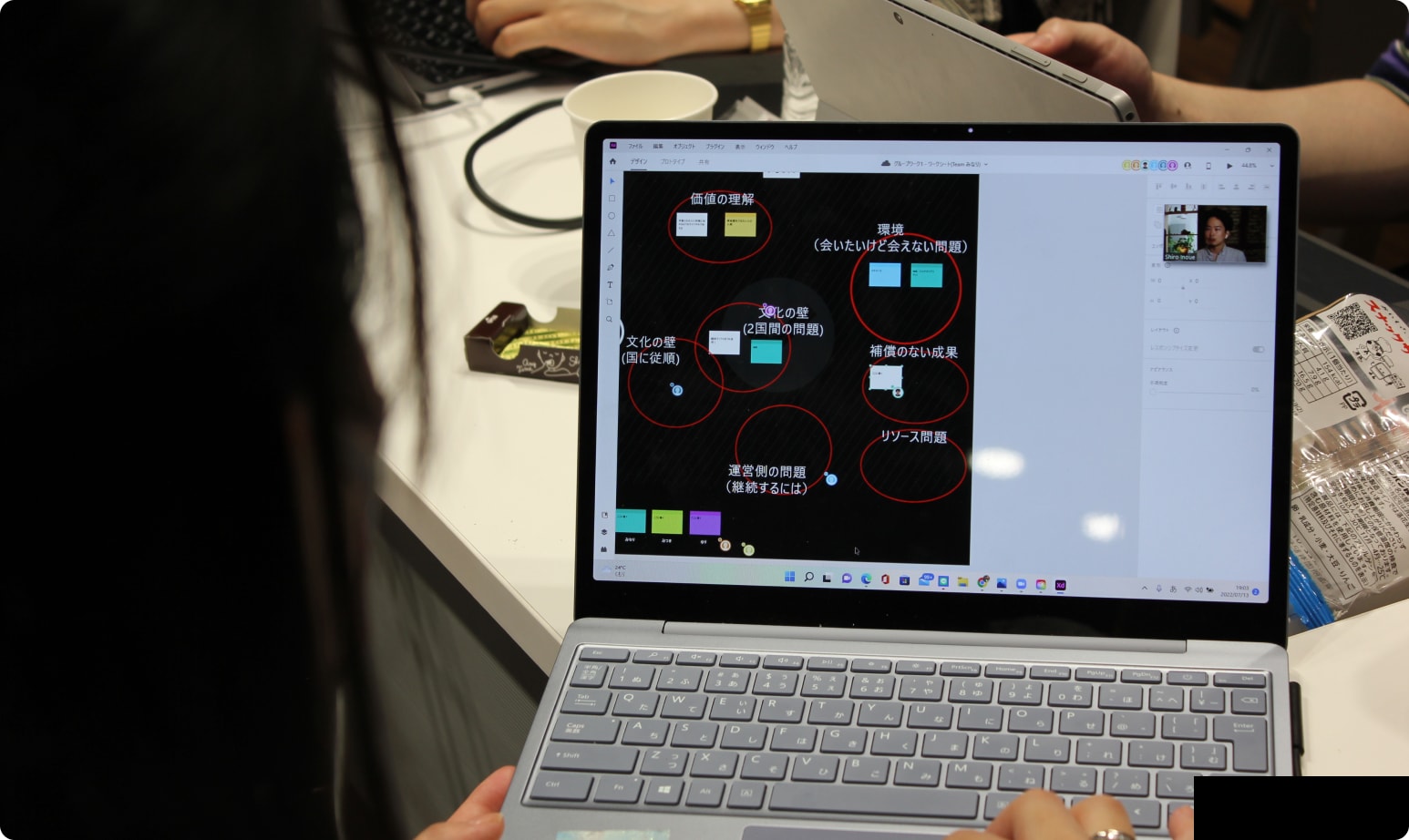
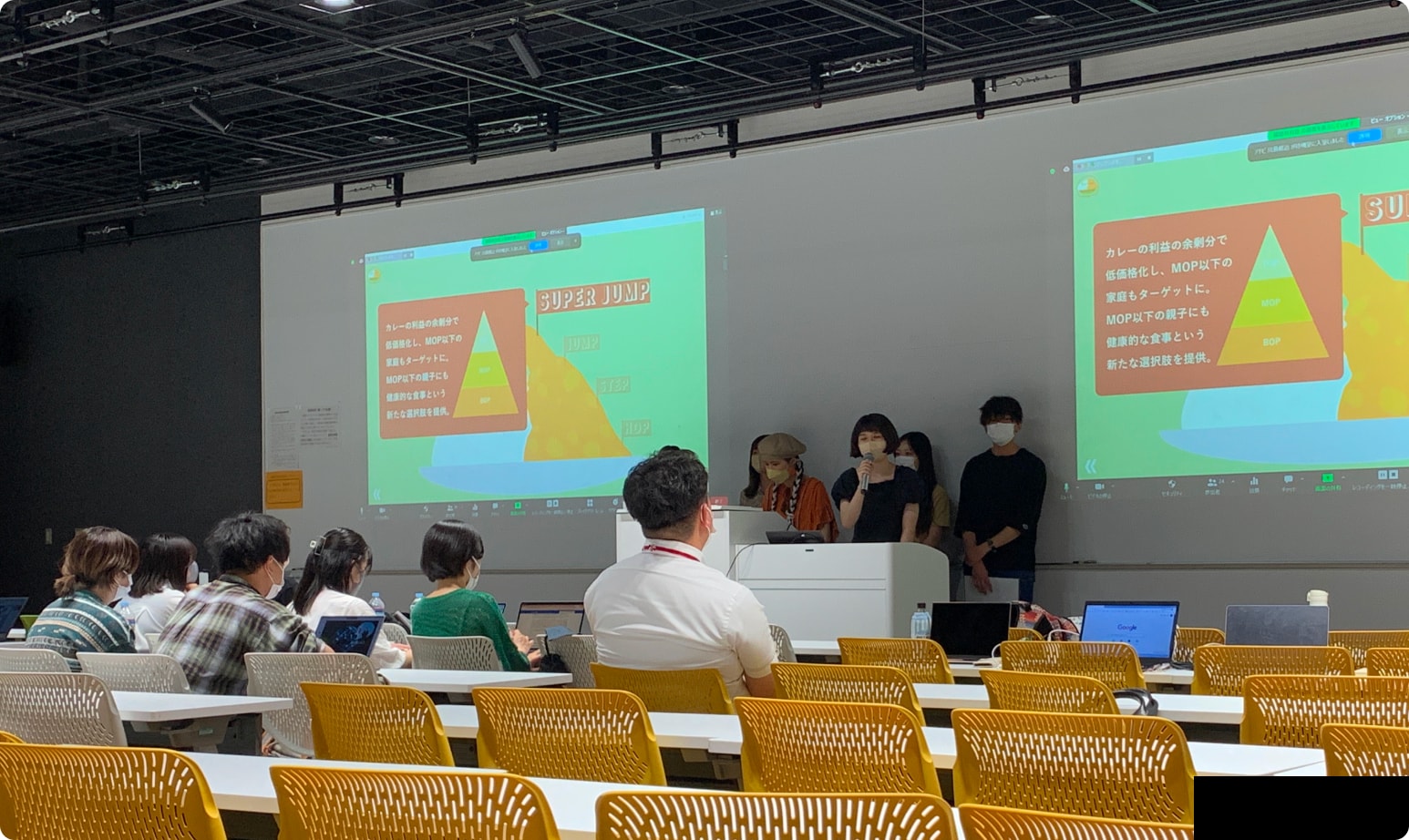
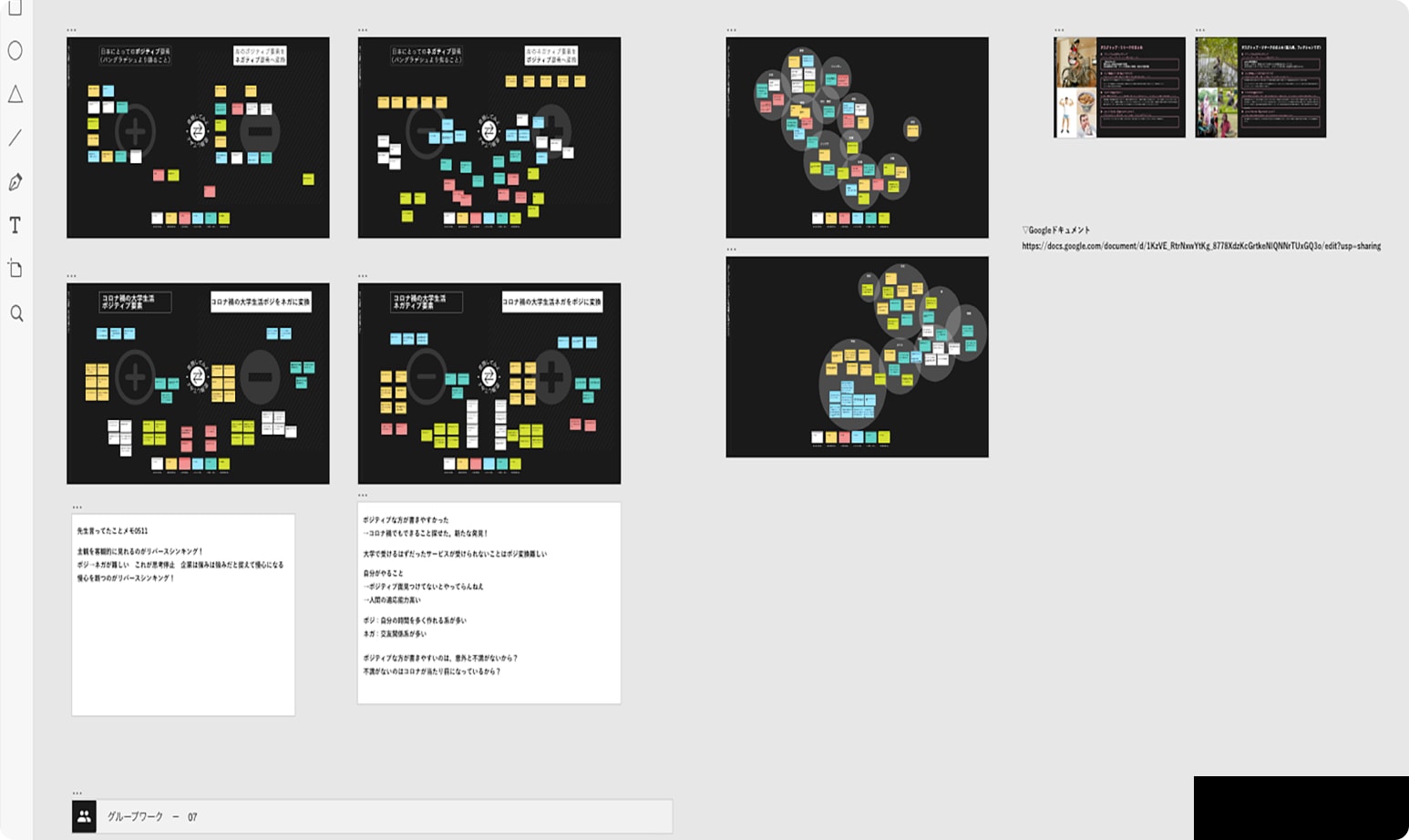
Beyond the flagship jams, the same strategy ran through guest lectures and campus workshops — meeting professors where they already taught, and proving Adobe belonged in rooms that had never called themselves design departments.
Waseda University (Dec 2022) — guest lecture with Professor Yasuhiro Oikawa, placed inside a required first-year course for engineering and media-expression majors — non-design students, on creativity and career
Related article
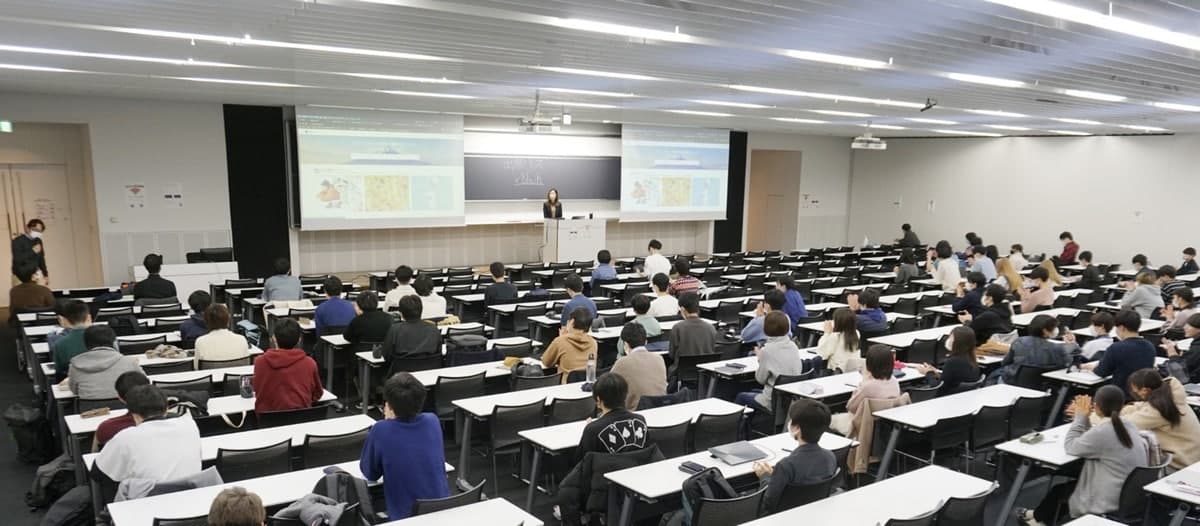
理系学生にクリエイティビティとキャリアの新しい視点を〜早稲田大学理工学術院基幹理工学部
Read moreTokyo Denki University (Mar 2022) — full-day XD workshop the university's media center initiated because they'd seen CCJ 2021 and wanted the same experience for their own students. I taught the UX/design-fundamentals portion; a TDU student who'd self-trained in XD co-taught the hands-on exercise — the train-the-trainer pattern from CCJ 2021 propagating on its own
Related article
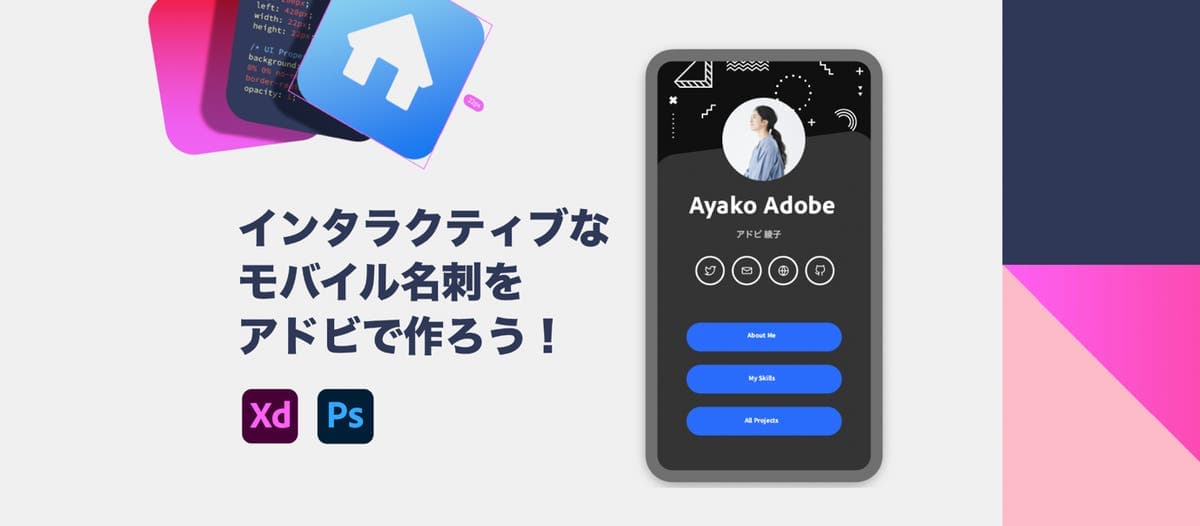
【イベントレポート】 Adobe XDでモバイル名刺をデザイン〜基礎から学べるワークショップを東京電機大学で開催
Read moreAPU × Adobe collaboration: Professor Selim Meylanov and UX researcher Ethan Parry, bringing design thinking into a psychology course. I understood what APU was looking for, worked with the professor to clarify his intent, connected him with Selim, and coordinated the project through to delivery — without leading the teaching myself.
Related article
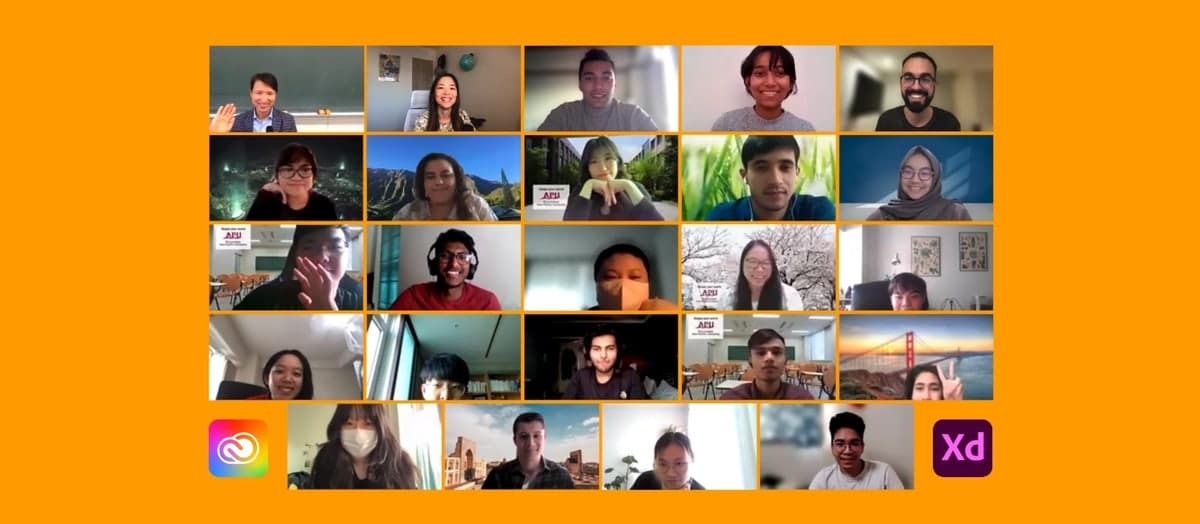
実社会で役立つスキルを身につける。立命館アジア太平洋大学とアドビのコラボレーション事例
Read moreCreative confidence was never about being good at design. It's the confidence that your idea, your thinking, your vision is worth putting into the world — whether that shows up as a mobile app, a business plan, or a card design in a class that had nothing to do with art. I wanted students who'd never call themselves creative to make something with their own hands and realize they already were.
I don't hold the Evangelist title anymore. But the instinct never left — I still teach, speak, and show up for workshops from inside the PLG team, because helping someone realize they can be creative isn't a job description. It's just the part of this work I never wanted to put down.
Looked, liked, loved it?
Let's talk.